Dimensions
Target length, width, height and intended use.
ASEN CAMPING / OEM DEVELOPMENT
Start with an existing model, drawing or product brief. Define the dimensions, space, materials and air-beam structure your market needs.
CUSTOMIZATION
Keep the market position and technical definition in one brief, then agree what the physical sample needs to prove.
Target length, width, height and intended use.
Entrances, windows, circulation and optional divided zones.
Actual swatches, colour, floor and panel requirements.
Tube geometry, junctions, valves, sleeves and service access.
DEVELOPMENT INPUTS
An existing product image can start the discussion. Quotation and sample development require the differences, quantities and commercial requirements to be written down.
SAMPLE DEVELOPMENT
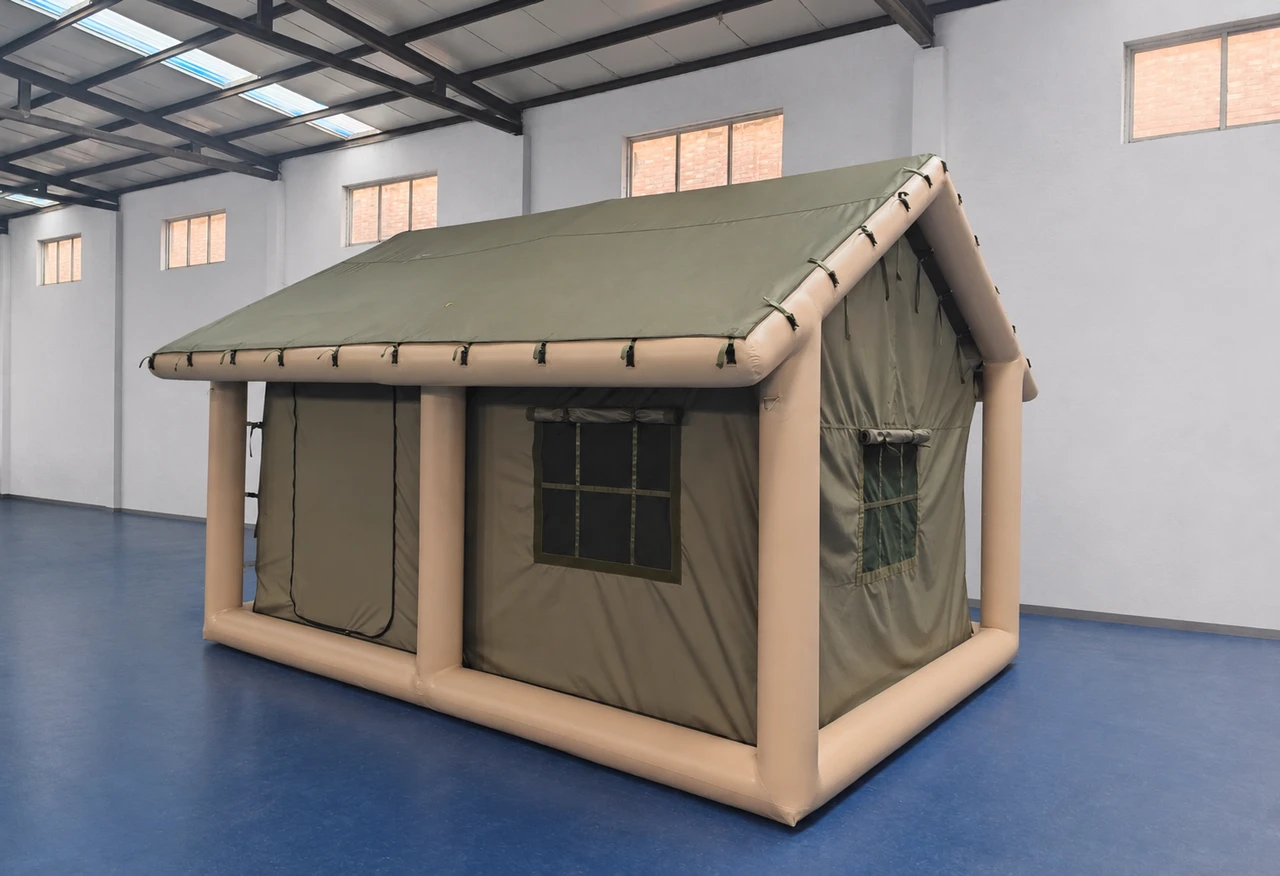
Use a physical setup to check the exterior shape, openings and requested changes before bulk production.
SAMPLE DEVELOPMENT
Sample development is normally 7-15 days after the configuration and scope are agreed.
Target market, product requirements and estimated quantity.
Configuration, feasibility, sample cost and timing.
Assess the agreed requirements and record revisions.
Approve the specification, quantity and production timing.
MANUFACTURING CAPABILITIES
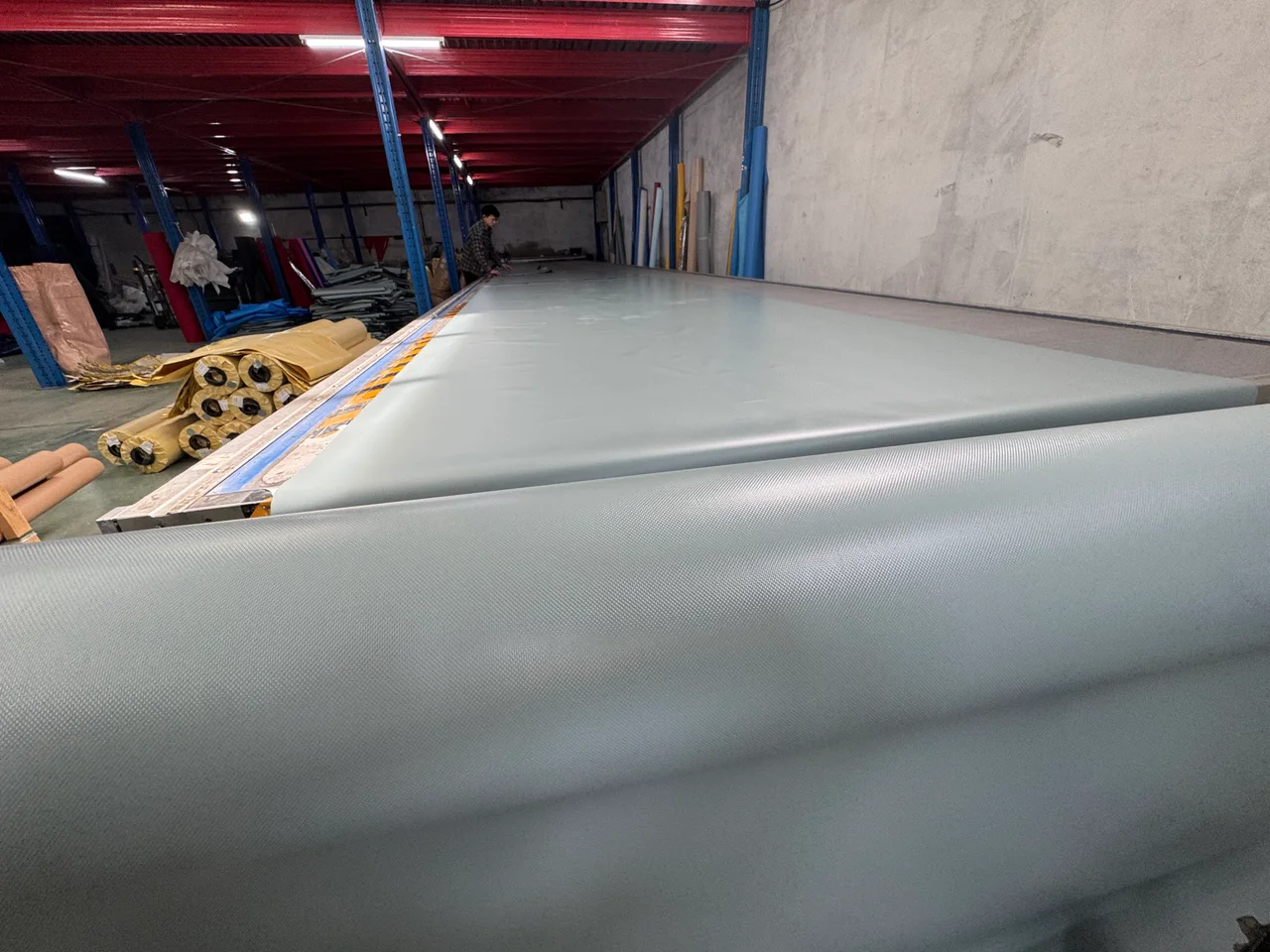
Workshop images show panel preparation, in-house air-beam fabrication and component details.
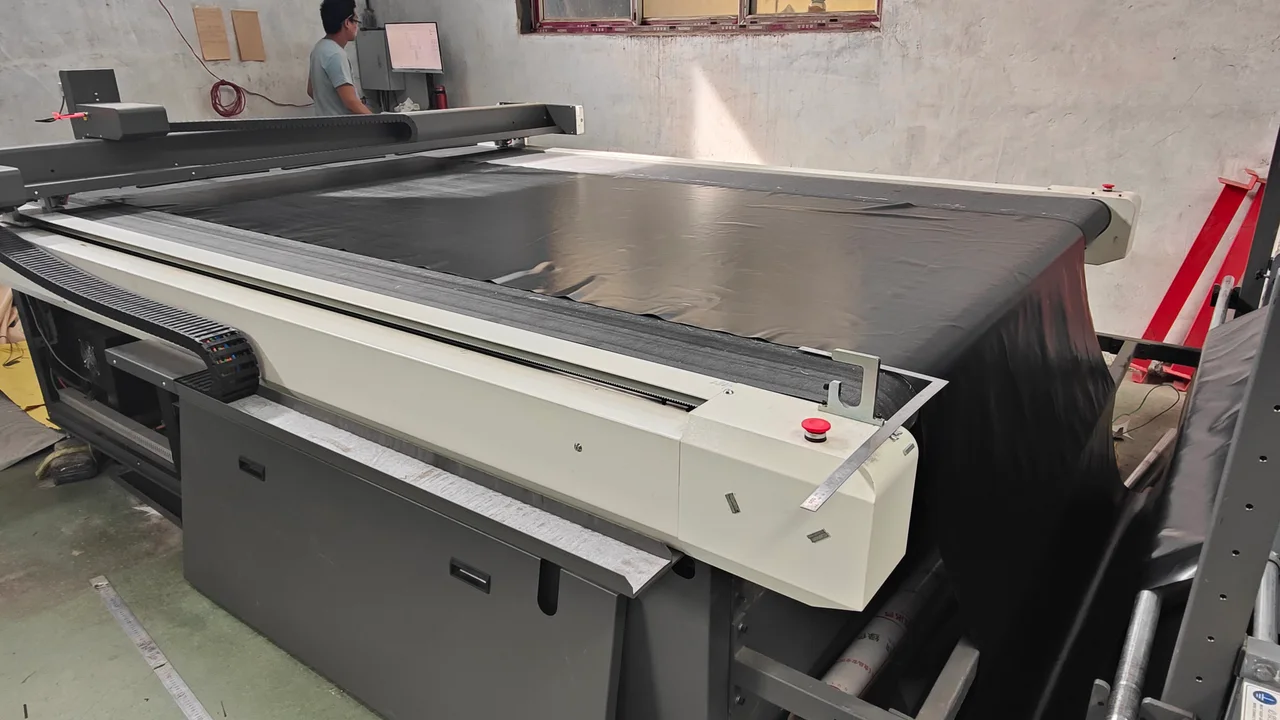
Use the approved dimensions and panel definition to prepare coated material for assembly.
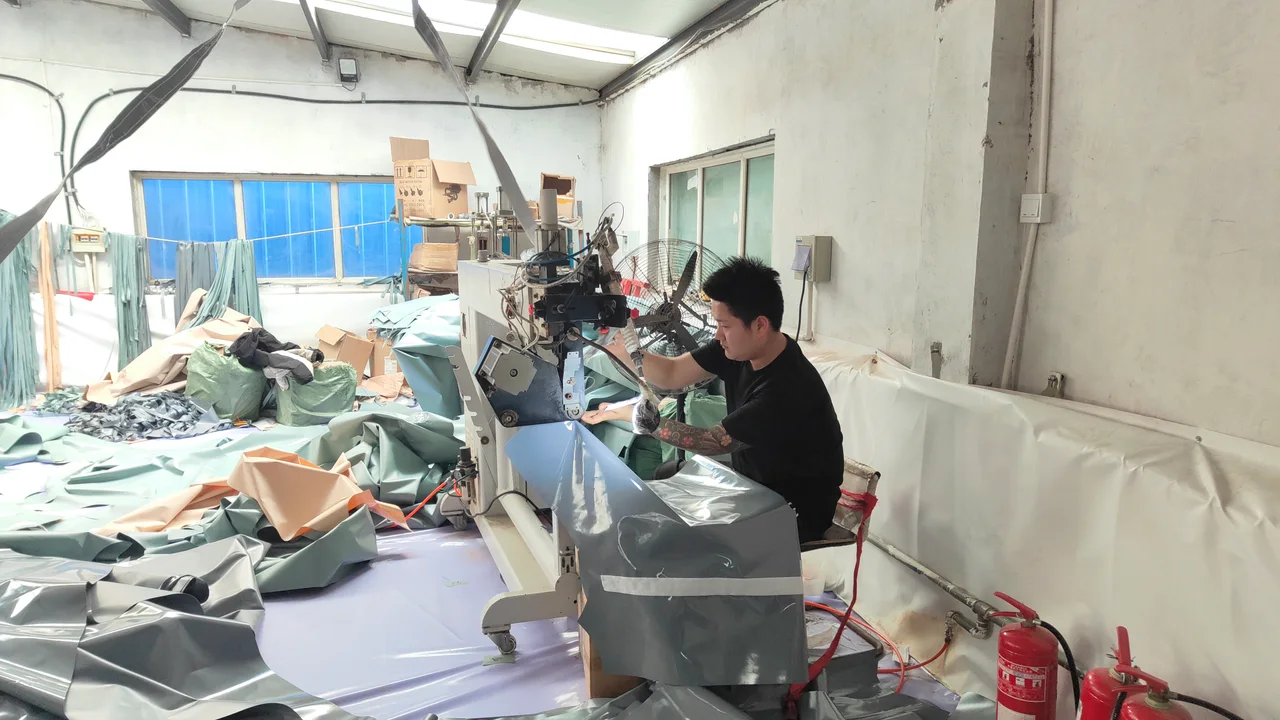
ASEN produces air beams in-house. The material, geometry, valves and service access are developed for the selected model.
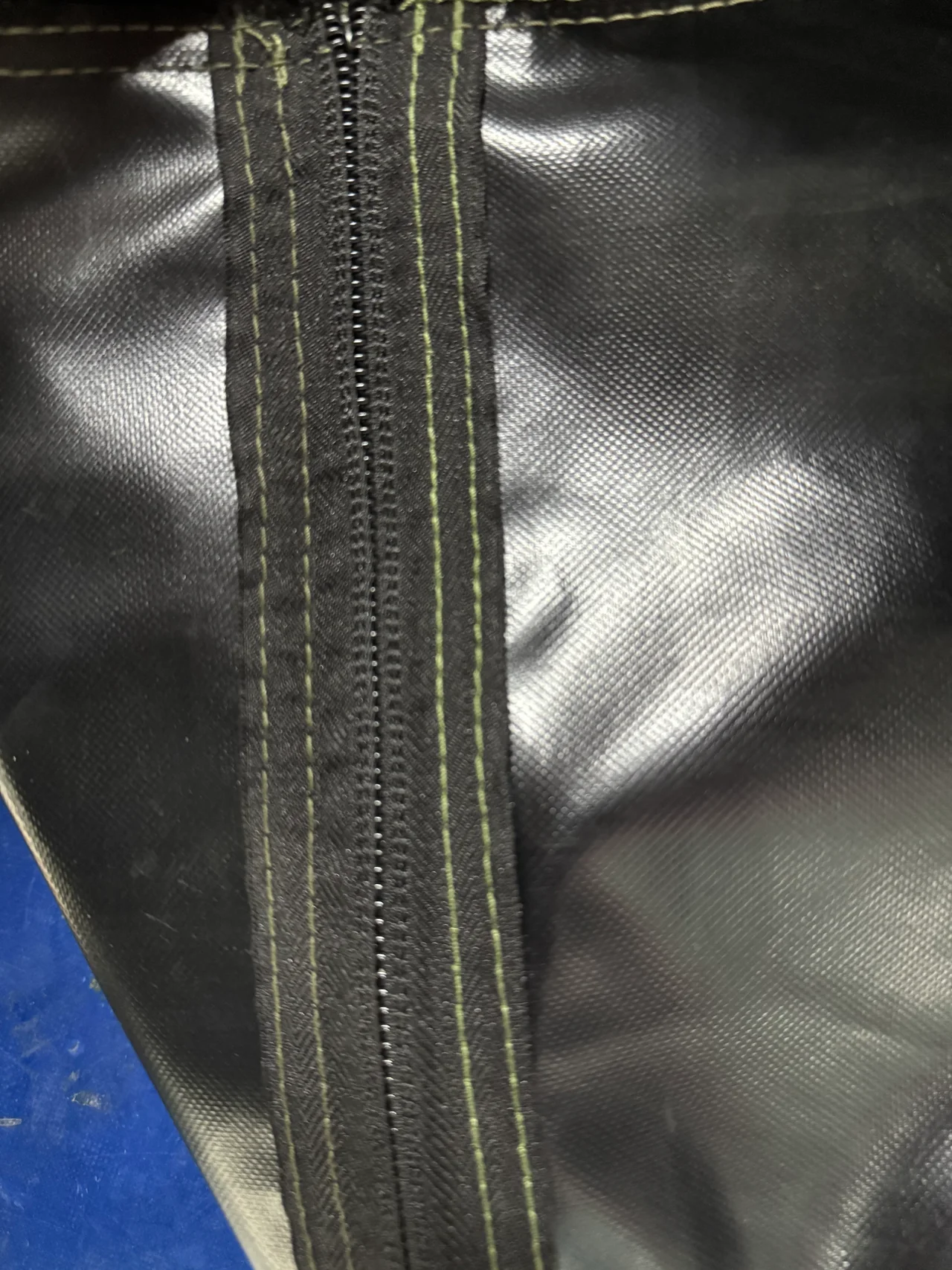
Check zipper position, stitch lines and material finish against the final sample.
ONE PRODUCT SPECIFICATION
The sample becomes repeatable when purchasing, quality, marketing and production work from the same final definition.
TECHNICAL
COMMERCIAL
IN-HOUSE AIR BEAMS
ASEN produces air beams in-house and has high-frequency welding and heat-bonding equipment. Equipment model, process settings and project-specific checks are confirmed separately when relevant to the order.
Discuss Your Air-Beam StructureBEFORE YOUR INQUIRY
Dimensions, room layout, openings, fabrics, colours, air-beam structure, branding, accessories and packing can be discussed. Feasibility and the final specification are confirmed for the selected model.
Yes. Sample development is normally 7-15 days after the configuration, cost, scope and start date are agreed.
The current starting MOQ is 50 tents. Mixed-model combinations are reviewed by product before quotation.
Confirm the model revision, dimensions, room plan, materials, air-beam arrangement, branding, accessories, packing and the inspection points relevant to your order.
YOUR NEXT TENT PROJECT
Product type. Target market. Quantity. Custom requirements.