Product differentiation
Choose the dimensions, space plan, materials and visible details that give the model a role in your range.
WHO WE WORK WITH / OUTDOOR BRANDS
Build a differentiated product range with one agreed definition for purchasing, marketing and repeat orders.
YOUR PRODUCT POSITION
A private-label product needs more than a logo. Connect the buyer, price position and use case to an intentional configuration.
Choose the dimensions, space plan, materials and visible details that give the model a role in your range.
Record the approved details and inspection points your team needs to repeat.
Connect model quantities, launch timing, packing and destination requirements.
CUSTOMIZABLE MODELS
Compare real products and specifications, then develop the details that make the model yours.
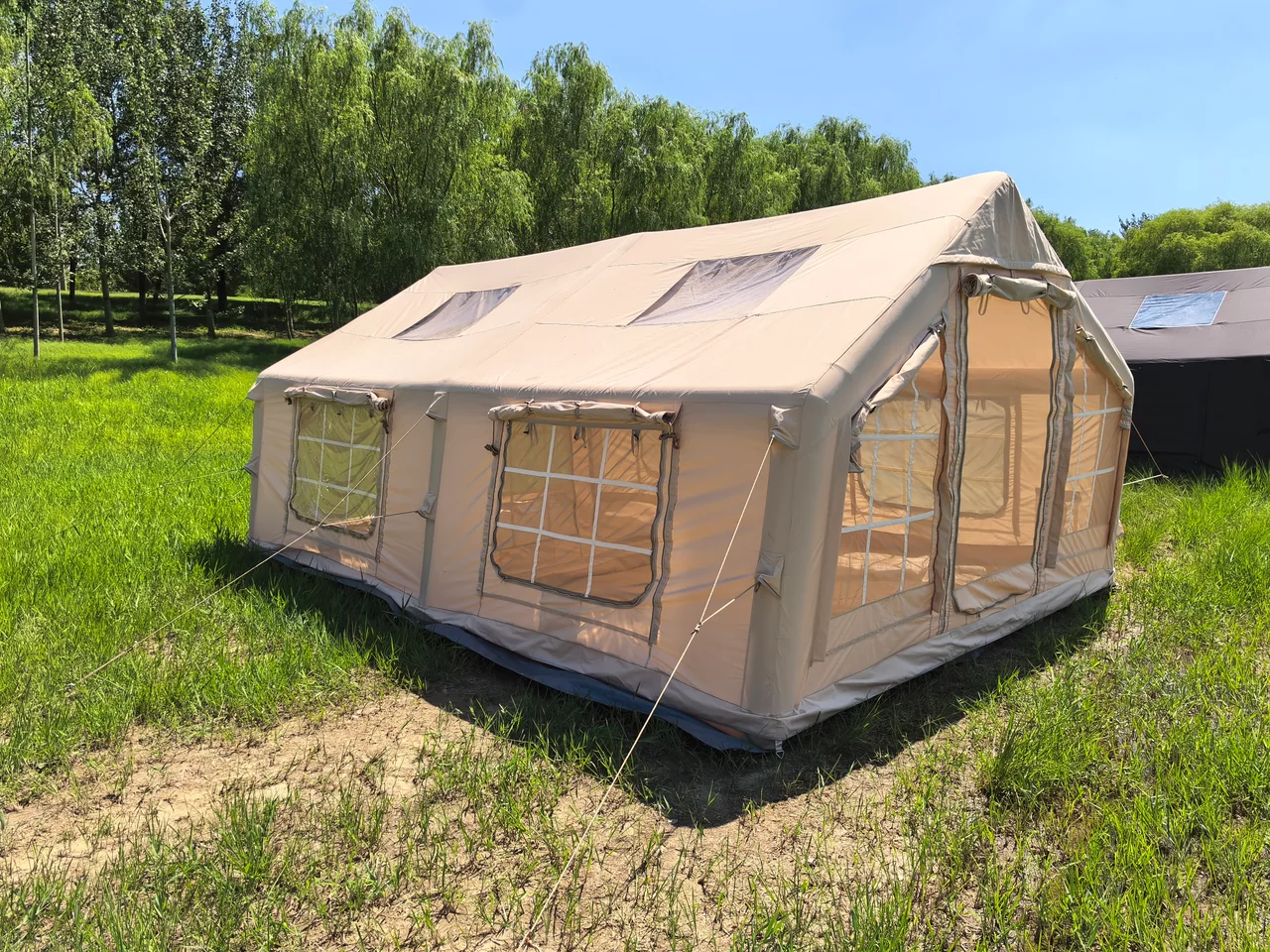
LT-18.16 / LARGE TWO-ZONE
Start with the current outer size, removable partition and opening arrangement.
Explore this model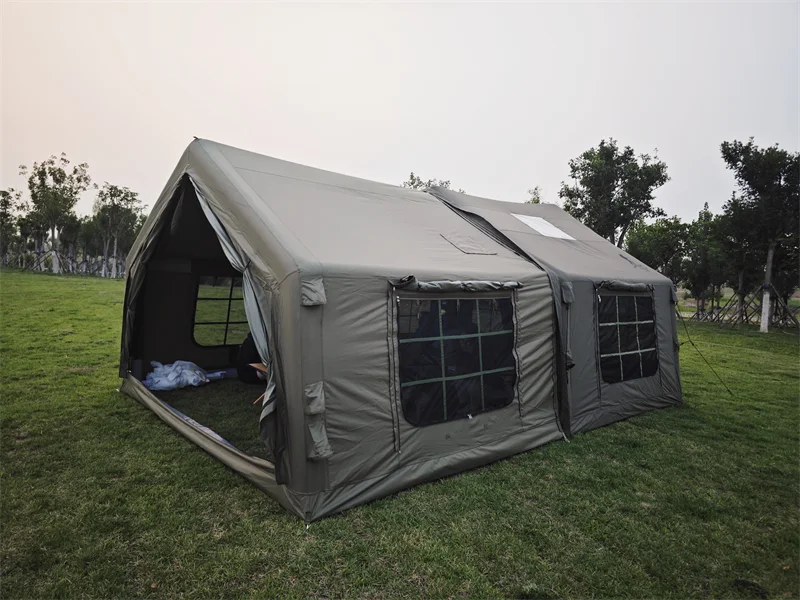
LT-09-Z / MODULAR
Define how the base tent and connected extension should work independently and together.
Explore this model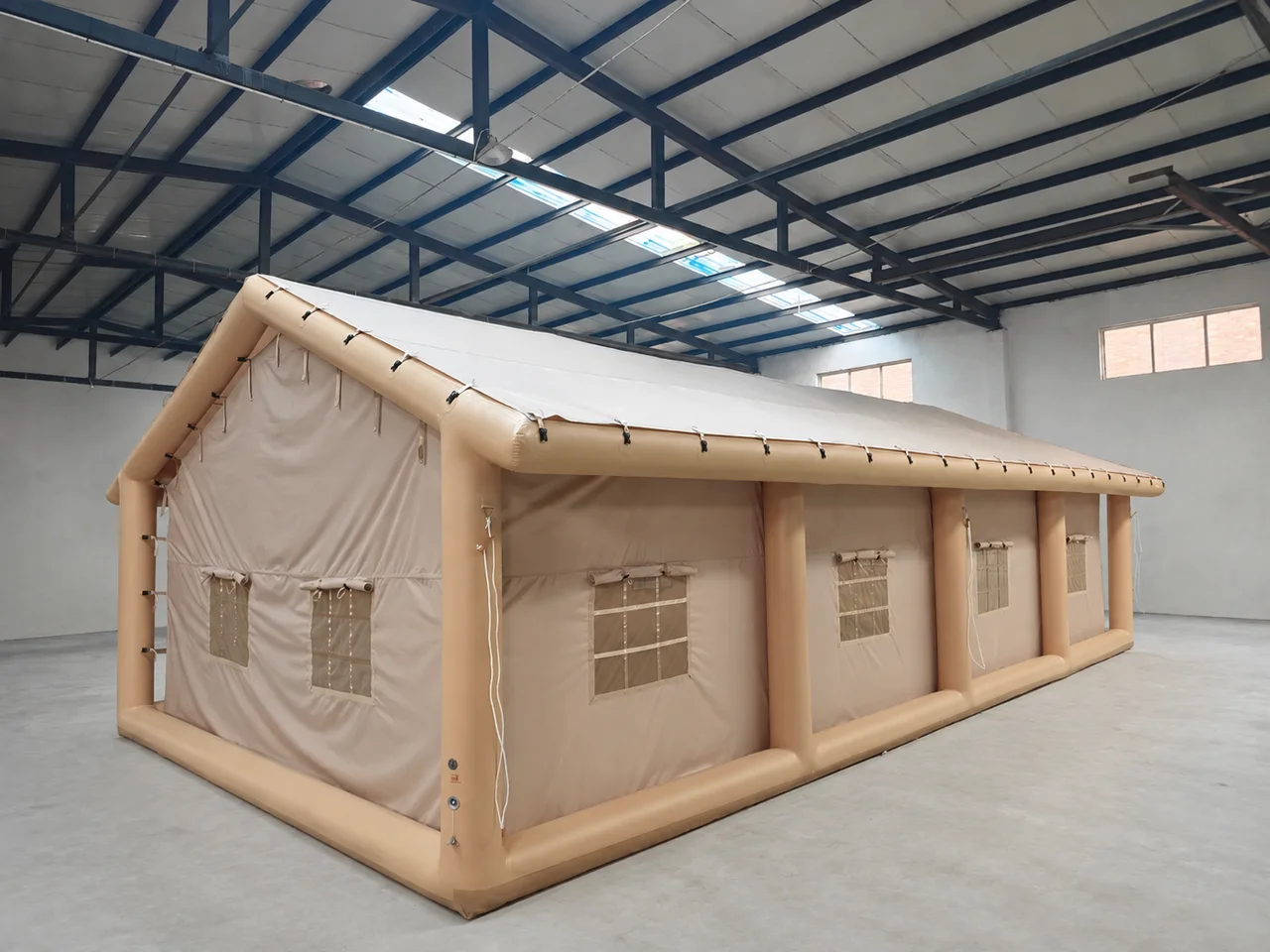
LTE SERIES / MAJLIS FORMAT
Define the seating or sleeping plan, privacy, openings and packed set for the destination market.
Explore this modelRANGE ARCHITECTURE
Give every model a clear reason to exist before adding colourways or minor variations.
A focused model with a clear price and feature role.
The main volume direction for space, handling and repeat sales.
More space, stronger visual identity or additional room planning.
Pump, anchoring, repair items, carry bag, instructions and carton.
DEVELOPMENT PATH
Compare footprint, interior use, frame expression and expected retail position.
Turn brand goals into dimensions, layout, material, component and packing decisions.
Connect each product requirement with factory capability and sample checks.
SAMPLE DEVELOPMENT
Sample development is normally 7-15 days after the configuration and scope are agreed.
Target market, product requirements and estimated quantity.
Configuration, feasibility, sample cost and timing.
Assess the agreed requirements and record revisions.
Approve the specification, quantity and production timing.
PRODUCT SPECIFICATION
Give purchasing, quality, marketing and after-sales teams one clear definition for every order.
BEFORE YOUR INQUIRY
Share the target user, destination market, reference model, intended changes, estimated quantity, target timing and brand or packing requirements already known.
Yes. A reference can help define the direction, but the ASEN sample and written specification must confirm the final dimensions, materials, structure and sellable details.
Keep the approved sample, specification revision, artwork, component schedule, packaging file and inspection points together for every repeat order.
YOUR NEXT TENT PROJECT
Product type. Target market. Quantity. Custom requirements.