ASENCAMPING

ASEN CAMPING / MANUFACTURING

Inflatable Camping Tent Factory

Build the tent cover and inflatable frame around one final specification, with in-house air-beam production and sample approval before bulk manufacturing.
MOQ 50Mixed-model combinations are reviewed by product.
7-15 daysSample scope and timing are agreed per project.
In-house air beamsDiscuss the frame directly with its maker.
Order-based lead timeBulk timing is assessed against quantity and specification.
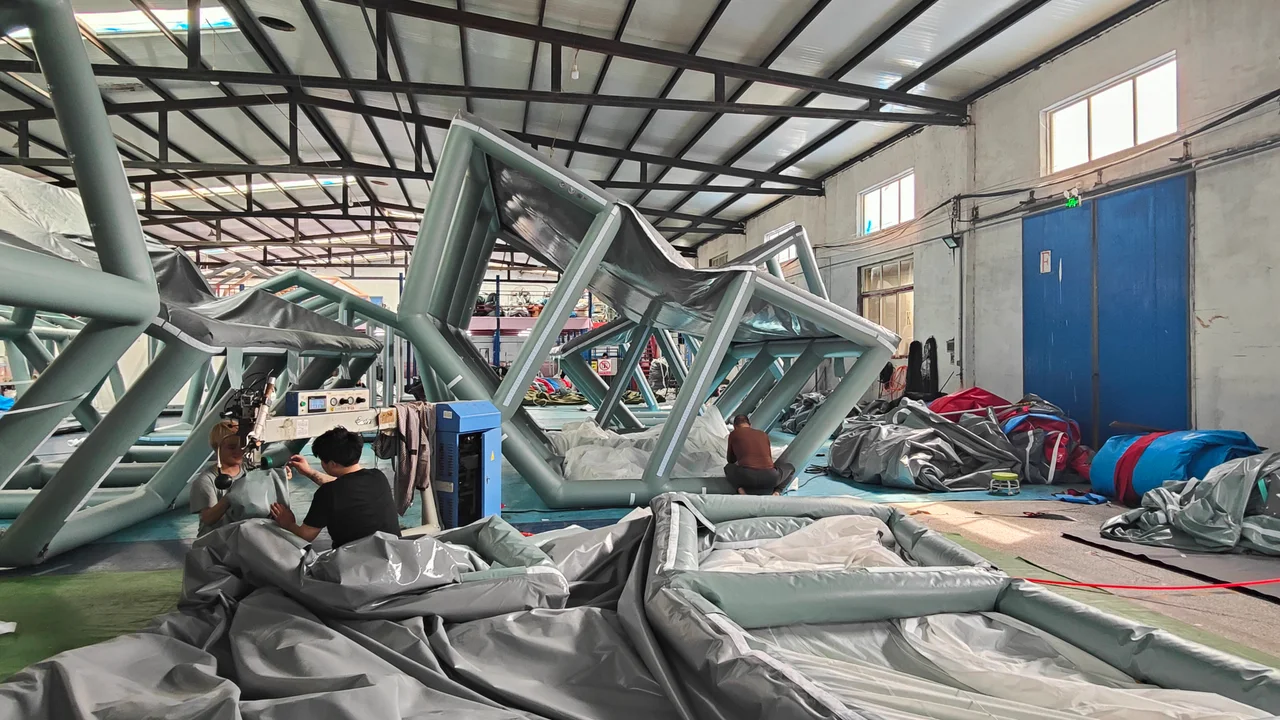
Assembled inflatable tent air-beam frames inside the workshop
Air-beam frames assembled in the workshop.

IN-HOUSE AIR-BEAM PRODUCTION

The frame is part of the product development conversation.

These assembled air-beam frames are produced inside our workshop. Buyers can discuss tube geometry, junctions, valves, sleeves and service access with the team manufacturing the frame.

What can change
Geometry, tube arrangement, junctions, valves and sleeve access, subject to feasibility.
Final definition
The final structure and components are included in the product specification.

AIR-BEAM WORK

Review the material, joining work and finished interfaces.

The frame is developed as a set of connected decisions. The exact material, geometry, valves and attachment details are confirmed for the selected model.

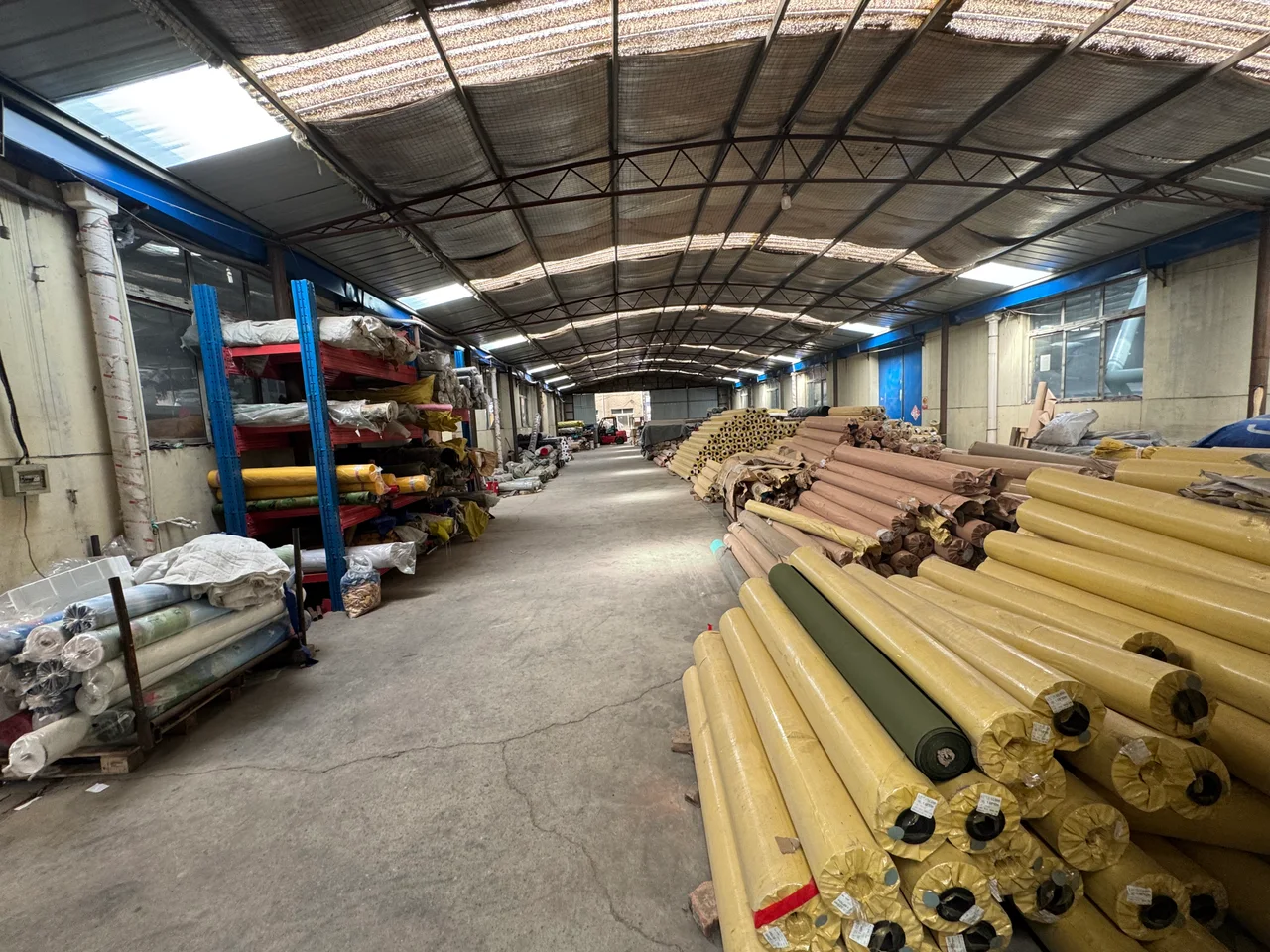
Rows of material rolls stored inside the tent factory
Material rolls stored in the factory before model-specific selection and cutting.
01 / MATERIAL INPUT

Select against the product specification.

Material direction is matched to the model, structure and buyer requirements before production starts.
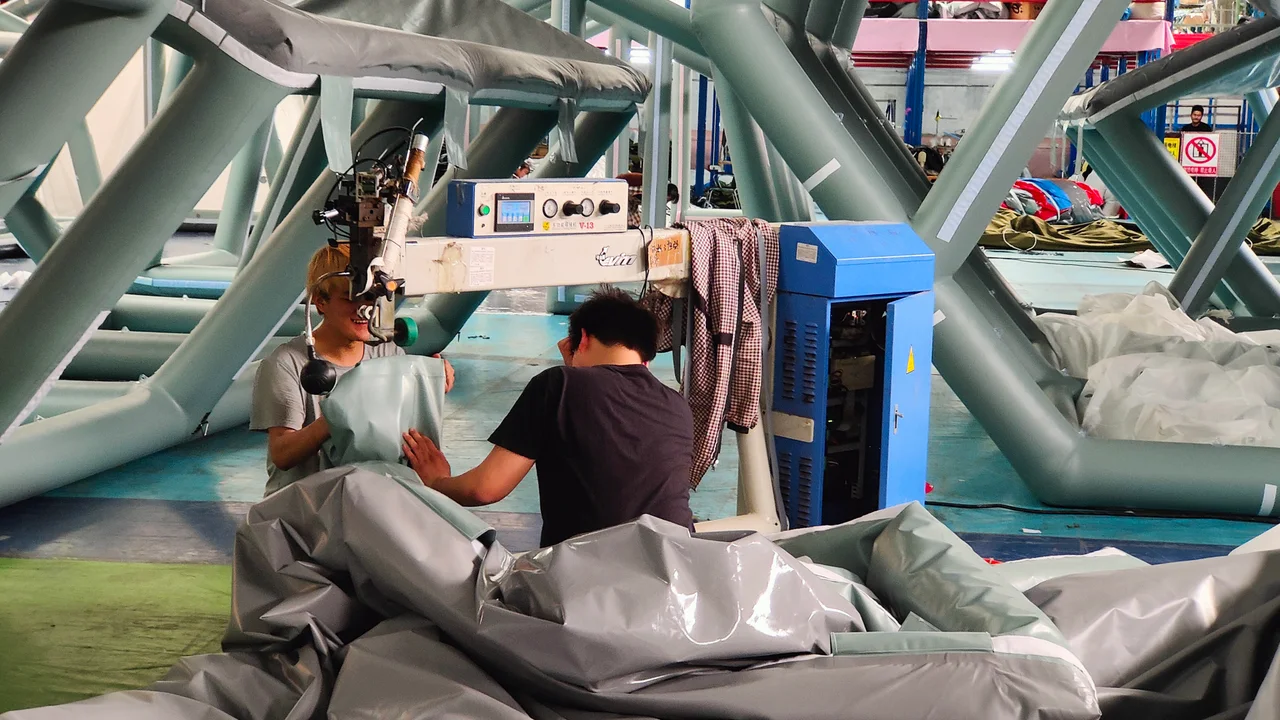
Operators joining inflatable tent air-beam material with workshop equipment
Air-beam material being joined during workshop production.
02 / MATERIAL JOINING

Form the inflatable structure in the workshop.

Operators join prepared air-beam material while the frame geometry and component positions remain tied to the approved definition.
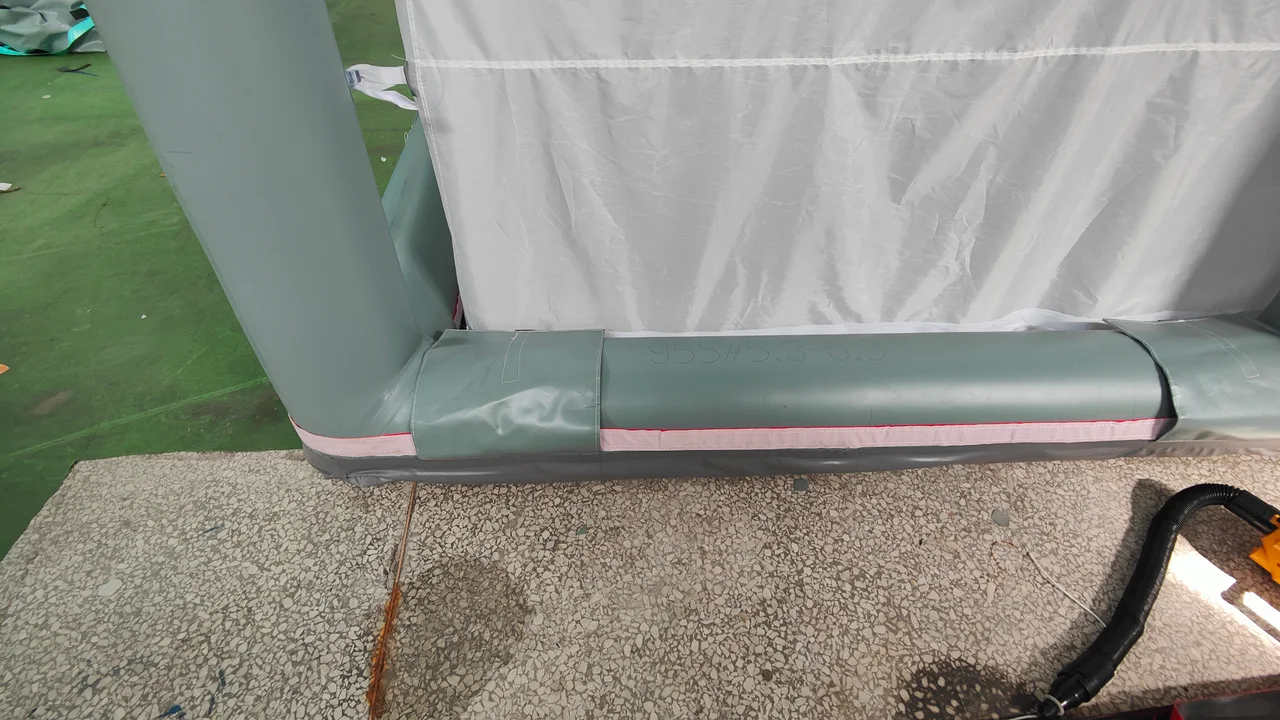
Close view of an inflatable tent air-beam junction and sleeve connection
Air-beam junction and sleeve connection visible during assembly.
03 / JUNCTION & SLEEVE

Resolve connection points before the sample is approved.

Junction shape, protective sleeve and cover connection are reviewed as part of the assembled frame.
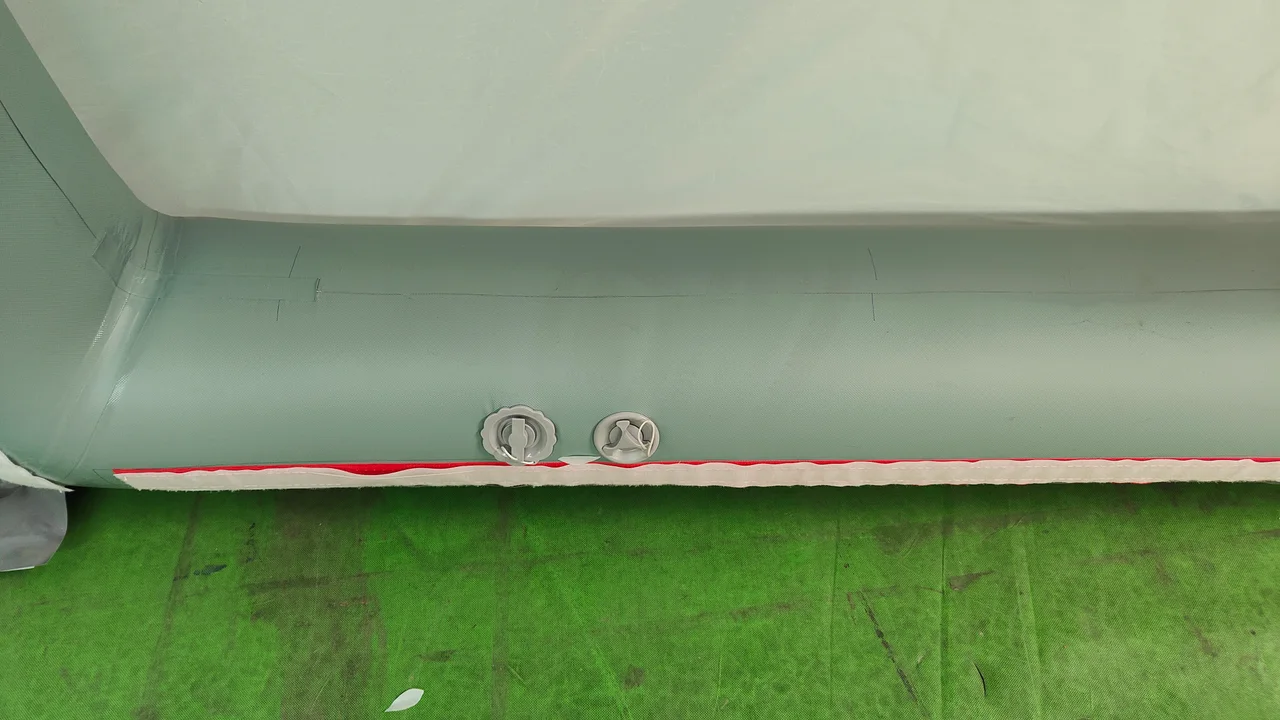
Two valves beside the attachment edge of an inflatable tent air beam
Twin valves and the cover attachment edge shown before final specification approval.
04 / VALVE INTERFACE

Place service components where the product needs them.

Valve type, position and access are included in the final component definition for the model.

FACTORY CAPABILITIES

See the work behind the sample.

These images show real production and inspection work. Methods and acceptance criteria are defined for the selected model.
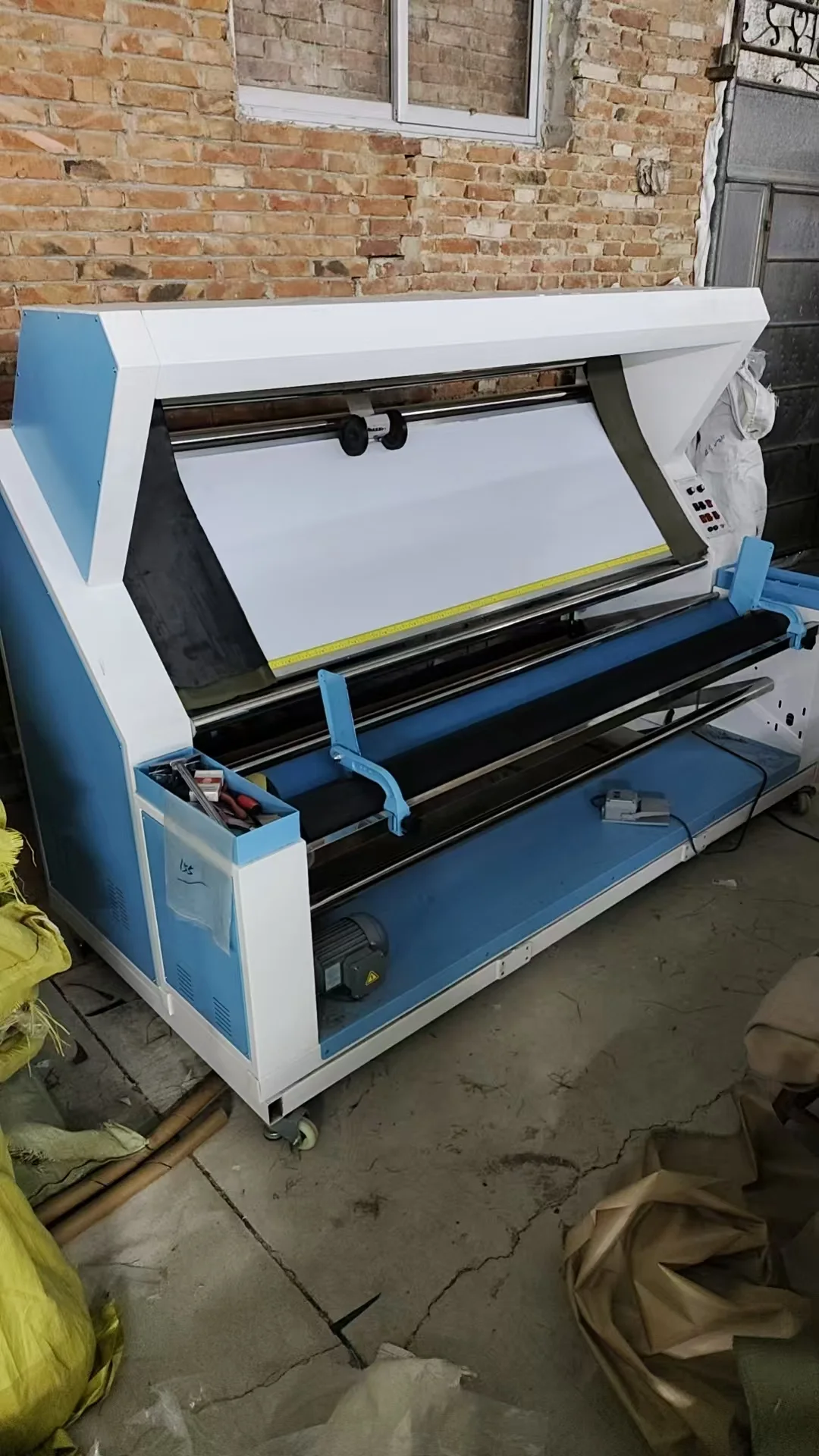
Operator working with digital fabric cutting equipment in the tent factory
Fabric cutting in the workshop.
01 / FABRIC CUTTING

Prepare panels from the final pattern.

Translate the confirmed size, openings and connection points into the cover components.
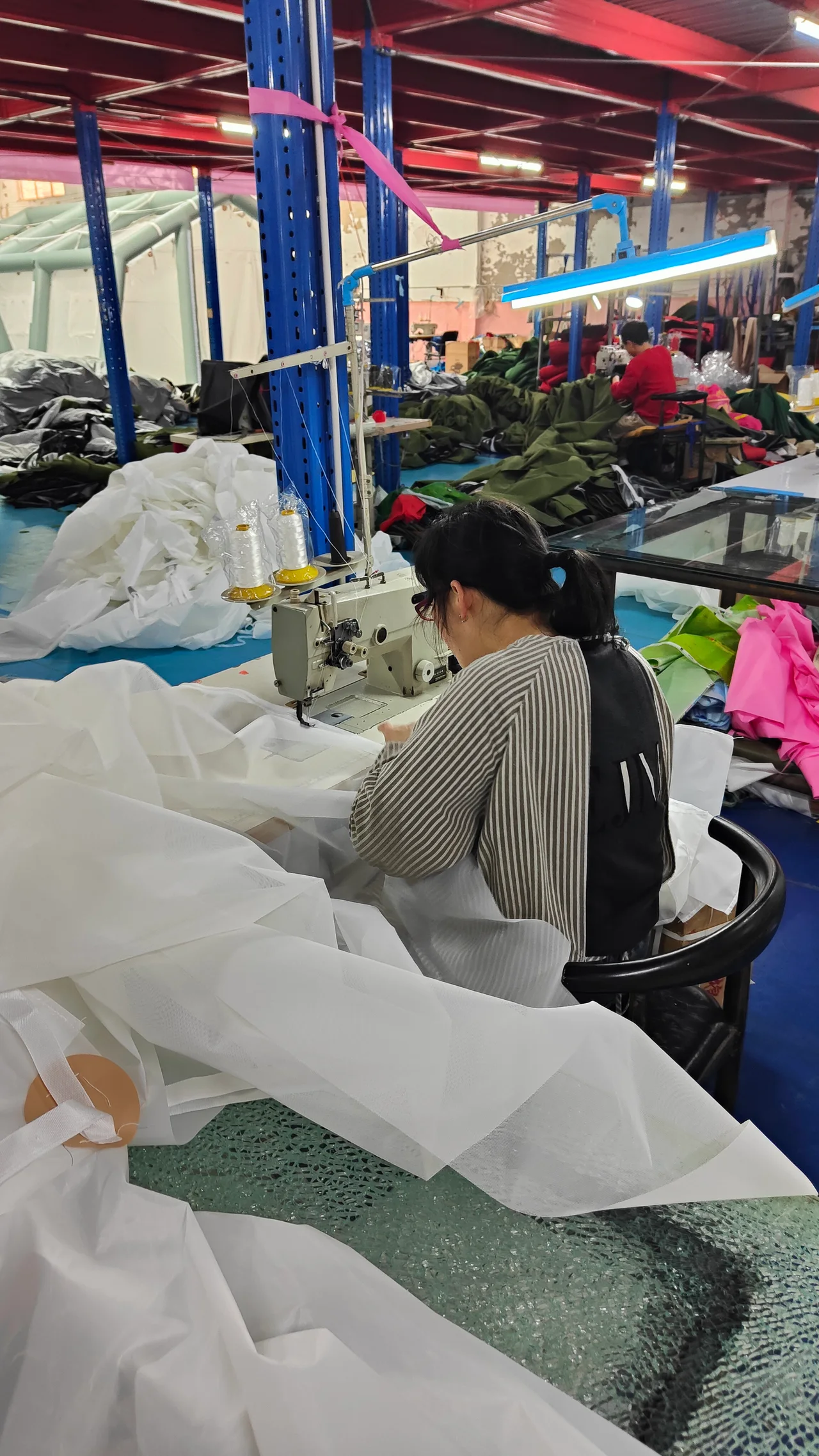
Operator sewing an inflatable tent cover in the factory
Sewing operation for tent-cover production.
02 / COVER SEWING

Build doors, windows and sewn assemblies.

Check seam placement, attachments and visible construction against the agreed sample.
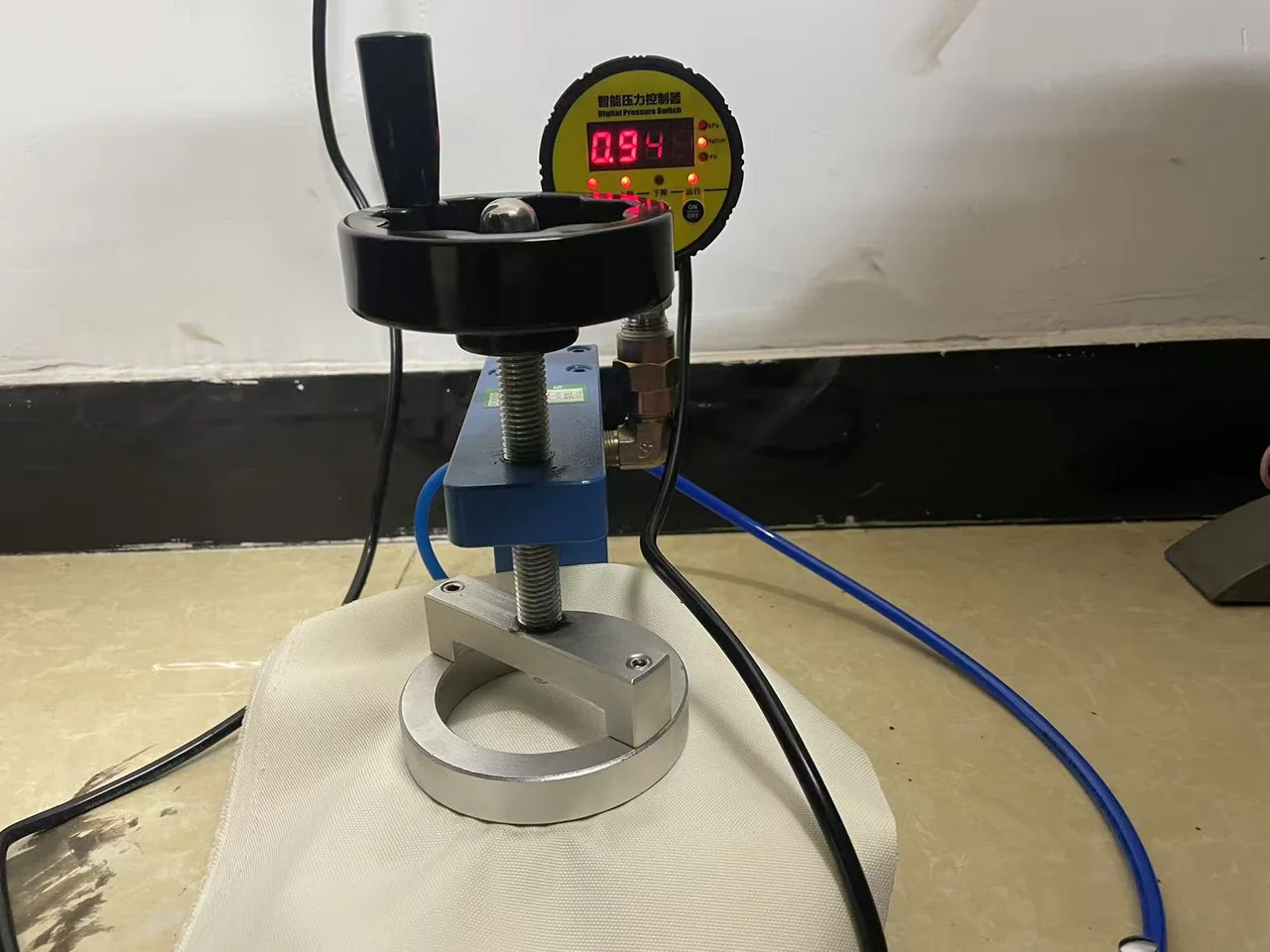
Material samples and inspection equipment in the factory
Material inspection equipment; the method and acceptance criteria are defined per project.
03 / MATERIAL CHECKS

Match the check to the material and project.

Inspection equipment and material samples support model-specific quality requirements.

MANUFACTURING PATH

Follow one approved definition from brief to packing.

Production decisions stay connected to the model, sample and buyer requirements.

  1. 01

    Specification

    Freeze dimensions, layout, materials, openings, air-beam structure and component list.

  2. 02

    Air-beam work

    Translate the approved geometry into tubes, junctions, valves, sleeves and service access.

  3. 03

    Cover production

    Cut and sew the tent cover, openings and connection points to the final product specification.

  4. 04

    Physical setup

    Assemble the tent to check form, fit, access, components and requested sample changes.

  5. 05

    Packing release

    Confirm the complete set, labels, instructions, bag, carton and order-specific checks.
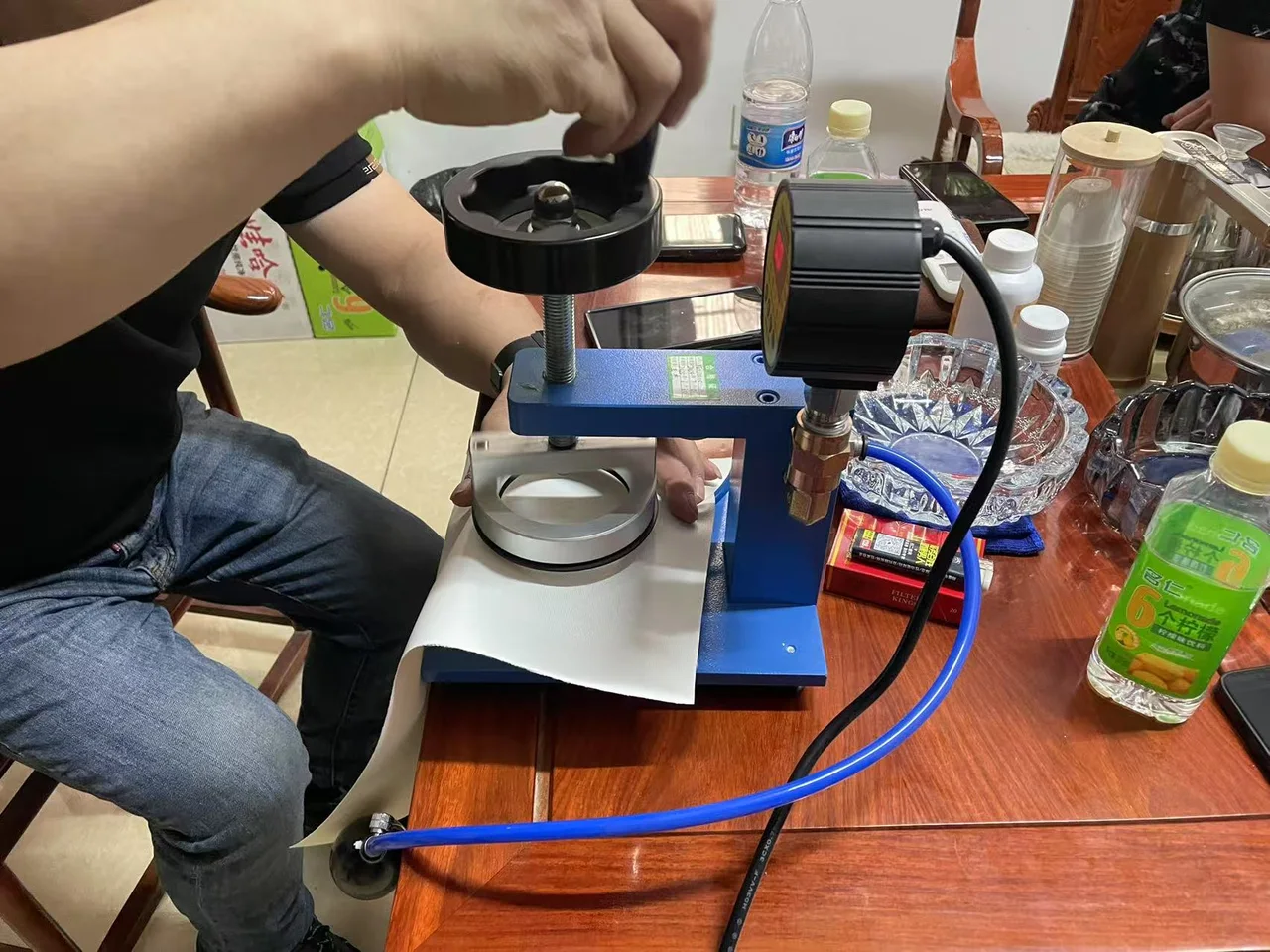
Operator placing a material sample in factory inspection equipment
A material sample placed in inspection equipment; the applicable method and criteria are agreed per project.

Inspection plans are defined for the selected material, model and destination. Share the method, standard or report your team requires before quotation.

QUALITY PLANNING

Define inspection requirements before production.

Agree the product, material and packing checks required for your order.

Configuration identity
Model code, approved dimensions, layout, materials, colours and air-beam definition.
Physical sample
Exterior form, openings, partition, component fit and buyer-requested revisions.
Material and process records
The applicable method, criteria and report must match the agreed material, model and destination.
Packed set
Accessories, repair items, labels, instructions, bag, carton, final packed size and gross weight.

BRING YOUR REQUIREMENTS

Connect the factory plan to your tent.

01

Base model

Select a current model or share the configuration you need.

02

Quality priorities

Describe the manufacturing details, material requirements and documents your team needs.

03

Quantity & timing

Include the estimated order, sample request, mixed-model needs and target schedule.

Explore customization

BEFORE YOUR INQUIRY

Questions worth asking.

Do you manufacture the inflatable frame?

Yes. Air-beam production is handled in-house, allowing the tube layout, junctions, valves, sleeves and service access to be developed with the tent design.

Can I request a sample first?

Yes. The stated sample-development range is 7-15 days after the configuration, scope, cost and start date are agreed.

What is the bulk production lead time?

Bulk production timing is confirmed according to order quantity and the approved product specification.

Can you provide certificates or test reports?

Tell us the destination and required standard. We will identify which available reports apply to the selected material and model.

YOUR NEXT TENT PROJECT

Bring your brief.
Start the conversation.

Product type. Target market. Quantity. Custom requirements.

Discuss Your Project